Clean vs Dirty Scrap Metal: Price Differences
If you've ever brought a load of scrap to a recycling yard and been surprised by the payout, there's a good chance the condition of your material was the reason. Clean and dirty scrap metal are priced very differently, and knowing the distinction before you show up can put more money in your pocket. At M&M Recycling, we see sellers leave cash on the table every day simply because they didn't take a few extra minutes to prep their material. Scrap metal recycling isn't complicated, but there are some basics that separate the people who get top dollar from the ones who don't. This guide explains what clean and dirty mean in the scrap world, why the price gap exists, and what you can do about it before your next trip to the yard.
What "Clean" and "Dirty" Mean in Scrap Metal Terms
Clean scrap is metal with nothing attached. There's no paint, plastic, rubber, or wood. Just bare metal, ready to go straight into processing. When you bring in copper wire with the insulation stripped off, that's clean. When you deliver a stack of steel beams with no concrete or bolts stuck to them, that's clean. A scrap yard looks at clean material and knows exactly what they're getting.
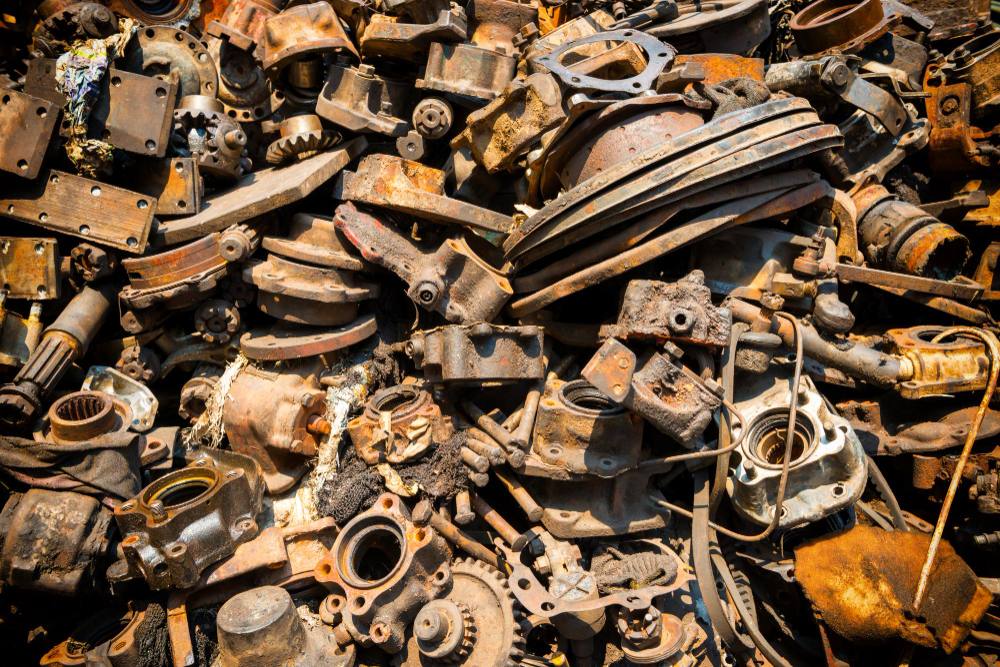
Dirty scrap comes with extra stuff attached. Maybe it's a wire still wrapped in plastic coating. Maybe it's aluminum siding with nails and wood backing. Maybe it's a steel appliance with motors, wiring, and plastic components still inside. The scrap metal company in Mableton, GA has to pay someone to strip all that away before they can process the metal. That labor costs money, and it comes directly out of what they pay you.
How Attachments, Coatings, and Mixed Materials Affect Your Price
Every attachment on your metal represents time and equipment that the yard needs to invest before it can sell it to a processor. Paint doesn't seem like much, but steel covered in several coats needs sandblasting or chemical treatment. That costs money. Plastic connectors on copper pipe need to be cut away. That takes labor. Wood screwed to aluminum siding needs prying loose. More labor, more cost.
Mixed materials create a bigger problem. When you bring in a load with copper mixed into steel, someone has to sort it by hand. When aluminum gets tangled with iron, the yard can't just toss it all in the same pile. Different metals sell to different processors at different prices. A scrap metal buyer can't accept mixed loads at clean prices because they're buying extra work along with the metal.
Coatings matter more than people realize. Galvanized steel sells for less than bare steel because the zinc coating adds processing steps. Chrome-plated metal brings a lower price than plain steel. Oil-soaked metal needs cleaning before it goes to the processor. Every layer between the buyer and pure metal reduces what they can pay you.
The Most Common Types of Contamination
Insulated wire ranks at the top. People bring in extension cords, Romex wiring, and appliance cords with all the plastic still on. The copper inside has value, but the insulation cuts the price in half or more. Stripping the wire before you arrive changes the payout.
Steel mixed with other materials comes in constantly. Swing sets with plastic seats. Bed frames with wood slats. Shelving units with particle board backing. Car parts with rubber hoses and plastic clips. The steel has value, but the contamination drops it into a lower price tier.
Appliances arrive full of mixed materials. A washing machine contains steel, copper wire, plastic tubs, rubber hoses, and sometimes concrete counterweights. A refrigerator holds steel, copper coils, aluminum components, plastic shelving, and refrigerant that needs proper disposal. An air conditioner mixes aluminum fins, copper tubing, steel casing, and more refrigerant. Taking thirty minutes to pull the valuable metals out before you load up can double your return.
Price Differences You Can Expect Between Clean and Dirty Loads
The gap between clean and dirty prices varies by metal type and current market rates, but the difference always matters. Clean copper wire might be worth $3.50 per pound, while insulated wire pays $1.20. That's a $230 difference on a 100-pound load. If clean aluminum brings $0.70 per pound, dirty aluminum with attachments might pay $0.30. On a 200-pound load, that's an $80 loss.
The actual numbers go up and down with the market, but the ratio between clean and mixed stays pretty much the same. A scrap metal company will always give you more for clean material since it doesn't cost them as much to deal with. Knowing this before you load up your truck completely changes how you think about the job.
Simple Prep Work That Bumps Your Scrap Into a Higher Pay Grade
Start by sorting everything by metal type at home. Keep copper separate from steel. Put aluminum in its own pile. Separate brass and stainless steel from the rest. This alone moves you into a higher price bracket because the yard doesn't have to do it.
Remove obvious attachments before you leave. Pull plastic handles off metal tools. Yank wood away from steel brackets. Cut rubber grips off copper pipes. Unscrew plastic caps from aluminum containers. Most of this takes seconds per item, but adds more cash per pound.
For wire, invest in a wire stripper if you plan to scrap regularly. Stripping insulation takes time, but the price jump makes it worthwhile. For small amounts, a sharp knife works fine. For larger jobs, an automatic stripper pays for itself quickly. Clean wire moves into the highest price tier immediately.
When It's Worth the Effort to Clean Your Scrap and When It's Not
High-value metals always deserve prep time. Copper, brass, and stainless steel carry enough value per pound that cleaning them pays off. Spending an hour stripping fifty pounds of copper wire can add $115 to your payout. That's better than most hourly wages.
Large volumes of lower-value metals need math. If you're hauling a half-ton of mixed steel, spending four hours sorting it might add $50 to your check. Your time might be worth more elsewhere. A scrap yard will still take dirty steel and pay you something for it.
Small items with complex attachments rarely justify the effort. A toaster with steel, copper, and plastic mixed together might contain $2 worth of clean metal. Spending twenty minutes disassembling it makes no sense. Toss it in the dirty pile and move on. Save your energy for high-value items where the math works in your favor.
Get More From Scrap Metal Recycling
Understanding the difference between clean and dirty scrap metal puts you in control of your payout. The price gap reflects real processing costs that the scrap metal buyer has to cover. At M&M Recycling, we pay fair market rates based on what you bring us. We accept clean and dirty loads, but the sellers who walk away with the most money are the ones who did their homework first. Come prepared, and we'll make sure you get every dollar your material is worth.