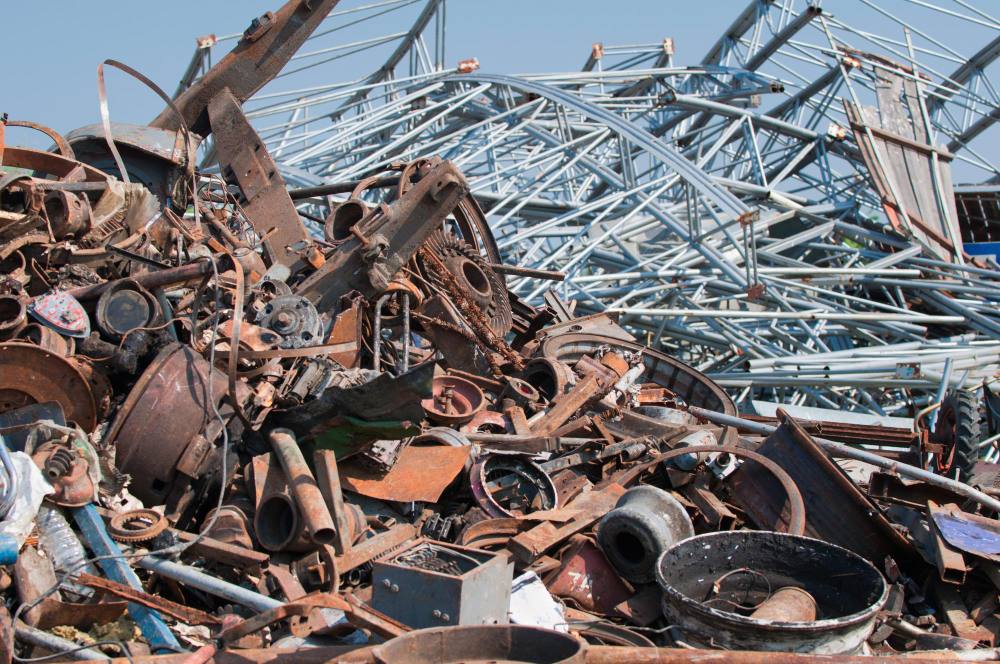
Why Some Scrap Is Worth More Than Others
You can't treat all scrap the same when it comes to value. What matters is the type of material, how clean or damaged it is, and if you've separated or prepped anything before you load up the truck. People are usually surprised by how much those factors swing the final number. That's why we make sure customers at M&M Recycling know what affects pricing and which changes will boost what they take home. Below, we break down what drives scrap value and what to pay attention to before you haul it in.
How Metal Type Determines Scrap Value
Different metals command different prices because of what they're used for and how much work it takes to process them. Copper, for instance, brings in more per pound than steel because it's rarer and has a stronger demand in electrical and plumbing applications. Aluminum falls somewhere in the middle. It's lightweight, easy to recycle, and manufacturers use it everywhere from beverage cans to automotive parts.
What a buyer pays for your scrap changes with the commodity markets, and those numbers bounce around constantly. You might get $3 a pound for copper wire today and only $2.75 if you wait seven days. Everything ties back to worldwide demand, production expenses, and whether there's plenty of material available or not. Metal values go up during construction booms or when tech sectors need more supply. They sink when industrial activity cools off.
Knowing what you have before you arrive at a scrap yard saves time and prevents surprises. Brass fittings, stainless steel appliances, and cast aluminum all have distinct values. Mixing them together or misidentifying them can result in a lower payout. A quick visual inspection and a magnet test can help you sort metals into the right categories.
Why Clean Scrap Is Worth More Than Mixed Loads
Clean scrap means a single material without attachments, coatings, or other metals fused to it. A scrap metal company in Smyrna, GA pays more for clean scrap because it requires less processing before resale. Copper wire stripped of insulation gets a higher rate than wire still wrapped in plastic. The cleaner the material, the faster it moves through the recycling chain.
Mixed loads take longer to sort and process. If you bring in a pile of steel beams with bolts, brackets, and paint still attached, the yard has to separate everything before it can weigh and price it accurately. The extra labor cuts into what they can offer. Removing non-metal components like rubber, plastic, or wood before you drop off a load increases its value.
This doesn't mean you need to strip every single piece down to bare metal, but targeting high-value items and preparing them properly makes a difference. Radiators with the steel tanks removed, motors with the casings pulled off, and aluminum without steel cores all fetch better rates.
The Difference Between Ferrous and Non-Ferrous Metals
Ferrous metals contain iron and respond to a magnet. Non-ferrous metals don't. That's the simplest way to tell them apart, and it's one of the biggest factors in scrap metal recycling pricing. Non-ferrous metals like copper, aluminum, brass, and stainless steel bring in higher payouts because they resist corrosion better and have wider industrial uses.
Ferrous metals like steel and cast iron make up the bulk of scrap brought into yards, which keeps prices lower. They're heavy, abundant, and easier to source. But that doesn't mean they're worthless. Steel scrap still gets recycled into rebar, automotive parts, and construction materials. The volume makes up for the lower per-pound rate, especially if you're hauling in large quantities.
Understanding the split helps you prioritize what to collect and how to sort it. If you're scrapping appliances, pull the copper wiring and aluminum components out of the steel shell. Those non-ferrous pieces weigh less but bring in more money. A magnet and a basic sorting system can turn a mediocre load into a profitable one.
How Contamination Lowers Payouts
Contamination includes anything that isn't the base metal you're selling. Paint, oil, dirt, plastic, rubber, and other metals all count. When a scrap metal buyer in Atlanta, GA receives contaminated material, they either pay less for it or reject it completely.
Oil-soaked steel from machinery, painted aluminum siding, and copper tubing filled with residue all fall into this category. Even small amounts of contamination can downgrade a load from premium pricing to a lower tier, while most yards will refuse to handle hazardous materials like lead-painted metal or asbestos-wrapped pipes.
Cleaning scrap before delivery doesn't have to be complicated. Draining fluids from engines, scraping off thick paint, and cutting away plastic attachments take minimal time but boost value. If you're not sure whether something counts as contamination, ask the yard before you load up. They'd rather answer questions upfront than reject your materials at the scale.
What Preparation Steps Can Increase Scrap Value
Preparation starts with sorting. Separate ferrous from non-ferrous, and within those categories, divide materials by type. Copper in one pile, aluminum in another, steel in a third. This alone speeds up the weighing process and makes sure you get accurate pricing for each metal.
Cutting or breaking down oversized items makes them easier to handle and process. Large steel beams, bulky appliances, and tangled wire slow down operations. If you can trim them to manageable sizes, you reduce the yard's labor costs and improve your rate.
Stripping insulation from copper wire, removing steel from aluminum radiators, and pulling motors apart all add value. These steps take effort, but they turn low-grade scrap into premium material. If you're hauling in volume, the time invested pays off quickly. Small adjustments in how you prepare your load can shift a $50 payout to $150 without adding more weight.
Are You Looking for a Local Scrap Metal Company?
Market prices shift, but preparation and knowledge put you in a better position at the scrap yard, no matter what the current rates look like. If you're ready to turn your scrap into cash, bring it to M&M Recycling. We pay fair prices based on current market rates and will walk you through what we're seeing on the scale. Our team answers questions and makes sure you get the best value for what you haul in. We've built our reputation on transparency and customer service, and we're here to make scrap metal recycling profitable for you.