Inside a Scrap Yard: How Metal Is Sorted and Processed
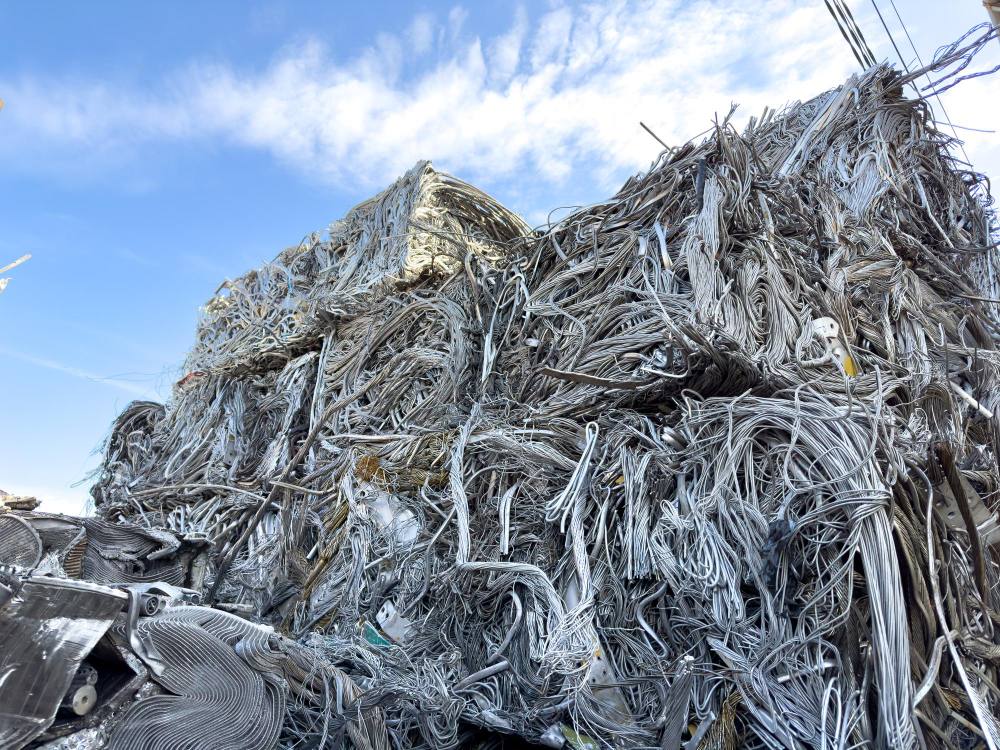
A scrap yard is perceived by many as chaotic! Metal piles, machinery, sparks from somewhere far away. To an onlooker, it appears that all items are just dumped in a yard and then shredded or smashed. However, contrary to what one perceives, scrap yards actually use a great deal of accuracy.
Every item of metal has some value in it, but only when it is processed with care and precision. In this article, the experienced experts at M&M Recycling will explain how the process is much simpler than it seems.
The Process Begins With the Scale
When someone brings in their metal to be recycled, the first step is to weigh the metals.
But weight alone is not enough. Different metals carry different values. Copper is not priced like steel, and aluminum is not handled the same way as brass. That is why the next step matters so much.
Next Step is Sorting
This is where experience comes to play. At a good scrap yard, sorting is part science and part experience. Workers look at color, weight, texture, and even sound to identify metals quickly.
Some items are easy to identify. Others are not. Certain alloys look nearly identical from the outside but have very different compositions. That is where experienced staff make a difference.
A reliable scrap metal buyer understands that proper sorting protects both the value of the material and the quality of the recycling process.
Separate all Contaminants
An important step before metal can be processed is to remove non-metal materials. Plastic, rubber, glass, wood, and insulation all reduce the quality of recycled metal if left attached.
This part of the job is more detailed than most people realize. A scrap metal company may strip wires, drain fluids from machinery, or separate mixed materials by hand before processing begins.
Size Matters More Than People Think
Large pieces of metal are difficult to transport and melt down efficiently. That is why scrap yards cut, crush, or shred material into smaller pieces.
This is why you can see cars are flattened and steel beams are cut down. The shredding process breaks down mixed scrap into smaller pieces, which can be separated even more after that.
Yes, this phase is noisy, quick, and visually stunning, but it is also well-regulated.
Technology Drives the Entire Process Forward
The modern-day scrap metal recycling process is not only based on magnetism. Some of the recycling facilities utilize sophisticated techniques, including sensors, pneumatics, and machinery, to sort metals by their electrical properties or chemical elements.
This boosts productivity and increases the probability of extracting precious metals which would have been missed.
The Post-processing Stage
Following sorting and processing, metals are compacted or made into bales before being shipped to factories for melting and manufacturing into products.
The aluminum from an older ladder could be used in the manufacture of automobiles. Scrap steel could be reused at construction sites. Through recycling, the metals are reused rather than being thrown away into dump sites.
The Scrapyard Is an Organized Structure Beyond Belief
While there may seem to be a little chaos involved in a scrapyard from an outsider's perspective, underneath all that noise and activity of machinery, you will find an extremely well-organized structure that thrives on knowledge and efficiency.
At M&M Recycling, our scrap metal recycling process involves much more than just gathering used metals. We’ve got the machinery and expertise to transform these metals into something entirely different, making them more valuable as well as environmentally friendly.