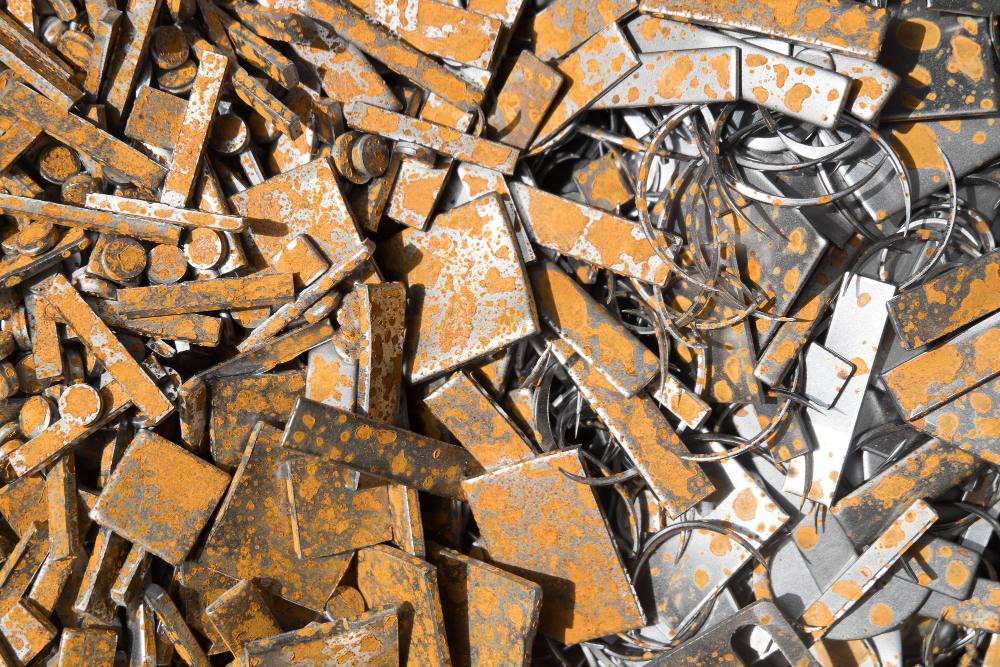
How Scrap Yards Support Manufacturing and Construction Industries
Raw materials don't appear out of nowhere, and the supply chains behind manufacturing and construction are more dependent on recycled materials than ever before. Scrap yards play an important role in keeping modern industries moving by turning discarded metal into usable resources that feed back into production. M&M Recycling is happy to be part of the process. Understanding how it all works sheds light on a part of the supply chain that rarely gets the attention it deserves. Keep reading for a closer look at how scrap yards help the broader industrial economy.
How Scrap Metal Becomes a Usable Resource for Industrial Production
Metal doesn't arrive at a mill ready to be melted down. Before recycled material enters a production line, it moves through a series of steps that strip it of contamination, sort it by grade, and prepare it to meet industrial specs. That work happens at the yard, and it requires specialized equipment, a well-trained staff, and consistent operational capacity.
When material arrives, it gets weighed, inspected, and categorized. Ferrous metals like steel and iron go in one direction. Non-ferrous materials like copper, aluminum, and brass go in another. From there, shredders, shears, and balers reduce the material to sizes that mills and foundries can use. A scrap metal company that's operating at an industrial scale runs this work continuously, which keeps downstream buyers supplied.
Mills purchase the processed scrap by the ton and feed it into electric arc furnaces or smelting operations. Processed material becomes rebar, structural beams, sheet metal, wire, and pipe. The scrap metal recycling loop closes at the point of production, and manufacturers depend on it to stay competitive. Without a reliable source of processed scrap, production costs climb and lead times stretch out too long.
The Types of Materials Manufacturing and Construction Rely On
Construction and manufacturing don't pull from the same material categories, but both sectors source heavily from recycled metal. Knowing which materials each industry actually uses clarifies why scrap supply matters so much to project timelines and production budgets.
Construction projects consume steel rebar, structural steel, copper wiring, and aluminum framing components. Much of that steel originates as scrap. Manufacturers in automotive, appliance, and equipment production rely on sheet steel, cast iron, and aluminum alloys. A reliable scrap yard provides a consistent volume of these materials in grades that match requirements, which means fewer sourcing delays and tighter cost control. Here's a breakdown of commonly sourced materials by their application:
- Steel Scrap: Structural beams, rebar, pipe fittings, and framing
- Aluminum Scrap: Window and door framing, roofing panels, automotive body parts
- Copper Scrap: Electrical wiring, plumbing fittings, HVAC components
- Cast Iron Scrap: Engine blocks, heavy equipment parts, industrial machinery
- Brass Scrap: Valves, fittings, and industrial fasteners
Each of these categories moves through a scrap metal buyer and gets processed to spec before it reaches a mill or fabricator. The grade and condition of the material at delivery affect how the mill prices and uses it, which is why proper sorting at the yard level matters so much.
How Scrap Yards Help Construction Companies Manage Material Costs
Steel prices fluctuate. When virgin material costs climb, construction budgets absorb the hit unless project managers have already locked in recycled material at lower rates.
Construction companies that sell their demolition debris and project cutoffs to a scrap metal buyer recover some material cost. A commercial demo job generates a lot of structural steel, copper wire, and aluminum. That material has cash value, and contractors who sell it back into the recycling stream offset what they spend on new purchases. Scrap metal recycling creates a two-way financial relationship with the job site, and contractors who ignore it leave money on the table every project.
Smaller construction firms benefit from this, too. A mid-size contractor pulling steel cutoffs from a framing job isn't sitting on a fortune, but routine sales to a local scrap metal company add up across a construction season. The recovered value reduces net material spending without requiring changes to how the work gets done. Over the course of a year, the returns compound into a budget line that can improve project margins.
Why Consistent Scrap Supply Supports Leaner Manufacturing
Manufacturers with tight production schedules can't afford to wait on materials. Sourcing delays can stall lines, push delivery windows back, and generate extra costs quickly. A consistent scrap supply reduces the risk by giving mills and fabricators a predictable stream to plan around.
Electric arc furnaces produce a large share of domestic steel and run almost entirely on scrap. A yard that delivers processed material on a reliable schedule allows a mill to operate at capacity without holding excess inventory. The scrap yard functions as a material buffer between the variable output of demolition and industrial waste and the fixed demand of a running production line.
Manufacturers also use scrap pricing as a hedge against raw material volatility. When virgin ore prices spike from supply disruptions, processed scrap becomes a cost-stable alternative. A long-term relationship with a scrap metal buyer gives purchasing teams another lever to pull when primary markets get tight. It also provides visibility into incoming supply volume, which helps production planners make more accurate forecasts.
Some manufacturers go further and establish formal supply agreements with scrap processors. These arrangements lock in delivery schedules, material grades, and pricing structures for a defined period. That kind of predictability is hard to achieve through spot purchases alone, and it positions the manufacturer to absorb market shocks without scrambling for alternative sources in the middle of a production cycle.
Are You Ready to Put Your Scrap to Work?
Every ton of scrap sitting in a yard or piling up on a job site represents material that manufacturing and construction industries are actively looking for. M&M Recycling buys ferrous and non-ferrous metals from contractors, manufacturers, and industrial operations of all sizes. We process material to industry standards and provide fair, transparent pricing based on current market rates. Whether you're clearing a job site, managing ongoing industrial scrap, or looking for a scrap metal company with the capacity to handle high-volume loads, contact our team today.