How Manufacturers Reduce Waste Through Metal Recycling
Walk through almost any manufacturing facility, and you will find one thing in common: waste is inevitable. Metal gets cut, shaped, drilled, welded, and trimmed to create finished products. No matter how organized the process becomes, there are always leftover materials. The question is not whether scrap will be created. It is important to know what happens to the generated scraps afterwards.
Years ago, much of that material ended up in dumpsters and landfills. Today, manufacturers are taking a different approach. Do you want to know how smart companies are reducing costs by recycling scrap metals? Then read this article to the very end.
Scrap Metal Is Not Waste At All
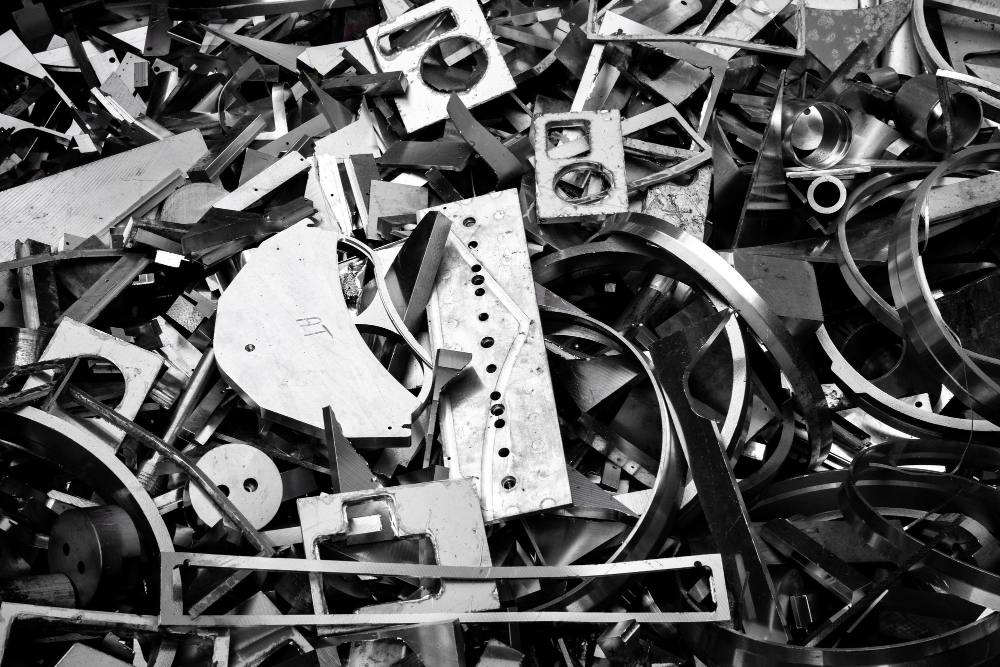
During the manufacturing process, metal scraps come in several types. These include pieces of steel sheets, shavings of aluminum from machining, wire scraps of copper, and broken parts that cannot be utilized in production.
To an average individual, these materials would seem like nothing special. But to a scrap metal buyer, there’s much more to them. All types of metal have value if recycled properly.
This change in perception has affected how manufacturers view their production wastes. Rather than seeing them as a burden, they have become an asset.
Recycling Starts from The Factory Floor
Successful recycling programs often begin long before material reaches a scrap yard. Manufacturers that achieve the best results usually separate metals at the source. Maintaining separation between steel and other metals such as aluminum, copper, and stainless steel would aid in efficient recycling and help ensure that maximum value is extracted from the process. Mixing makes sorting more difficult and reduces some value.
Simple procedures in collecting would have a great impact on the success of recycling efforts.
Lower Disposal Costs Create Immediate Savings
Landfill disposal is expensive. The more waste a manufacturer sends away, the higher those costs become.
Scrap metal recycling in Griffin reduces the volume of material that must be discarded. In many cases, manufacturers receive payment for recyclable metals rather than paying to have them removed.
Cooperation with an experienced scrap metal business assists companies in recognizing which metals can be used and how they can be processed. Such savings will become quite considerable with time.
A Reliable Scrap Yard Becomes Part of The Process
Quite a few businesses form long term partnerships with a reliable scrap yard to establish a system of collection, transportation, and recycling.
An experienced scrap metal buyer can provide additional insight and make sure that more value-generating opportunities become evident. Items that were previously thrown out as waste could now be directed toward generating additional profit.
Sustainability and Profitability go hand-in-hand
One of the most widespread myths about going green is that sustainability is inevitably associated with increased expenses. However, the process of metal recycling provides a counterexample to prove otherwise.
It is possible to minimize wastefulness, save money on disposing of waste products, and increase profits by utilizing leftover materials at the same time.
We are here to help you Turn waste into value
Manufacturing will always produce scrap. That is simply part of the process. What matters is how that material is managed once production is complete.
As far as M&M Recycling is concerned, we deal with manufacturers that recognize the fact that scrap metal recycling is not only about ensuring a clean facility but also about using resources in an efficient manner. Each piece of scrap metal signifies one less resource being wasted or discarded.
What once ended up in a landfill can often become part of something new. That is the real value of recycling.